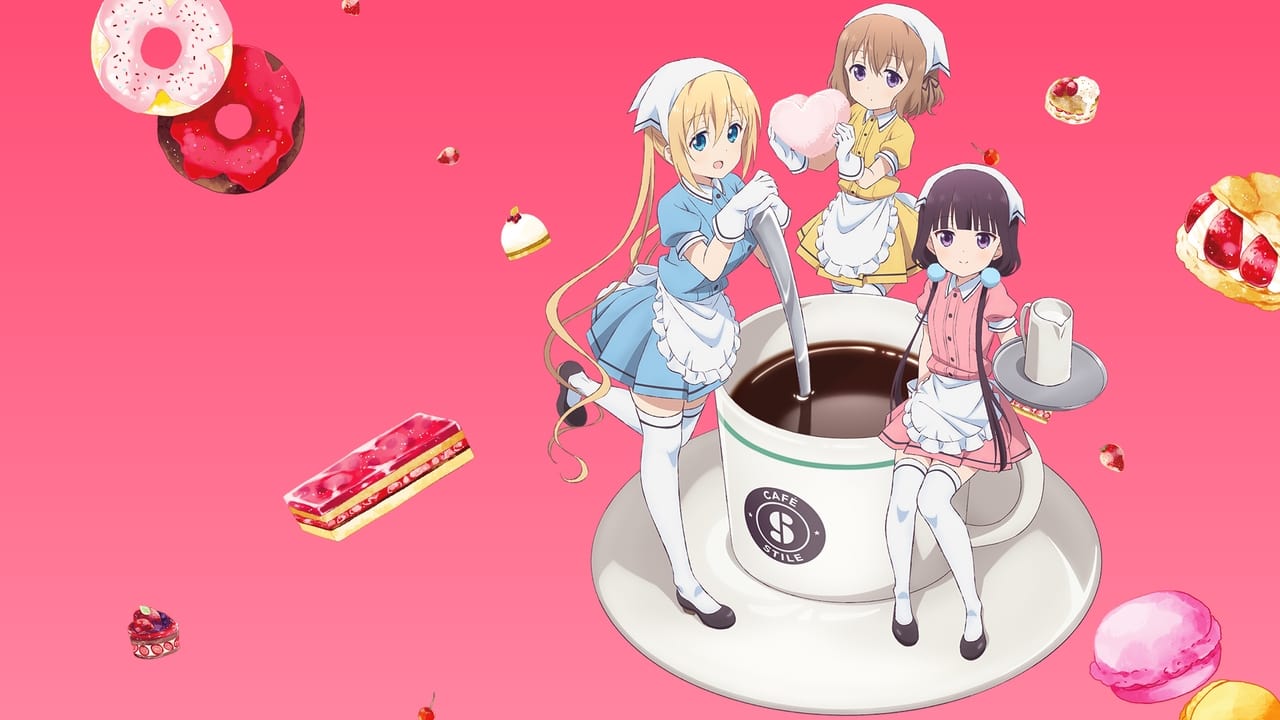
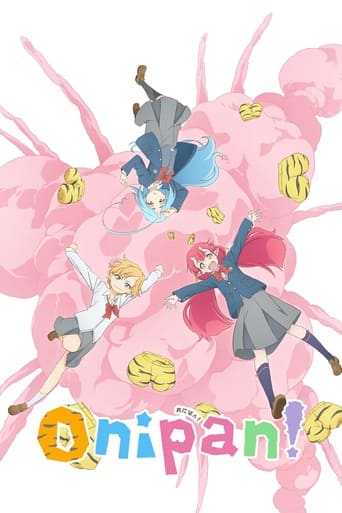
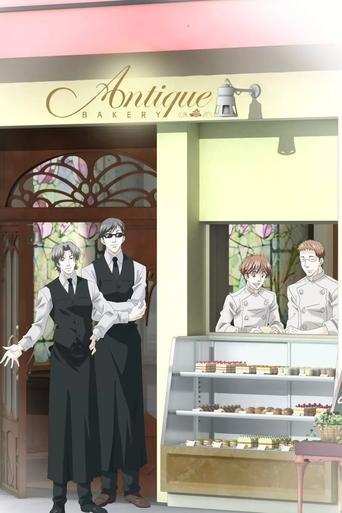
High school girl Maika Sakuranomiya has trouble finding a part-time job because of how scary she looks when smiling. However, she is scouted one day by Dino, the manager of the café Stile where its waitresses play unique traits such as tsundere and younger sister. Maika is given a sadist trait because of her looks and has to adopt a dominant and cruel persona when servicing customers, particularly masochist ones.
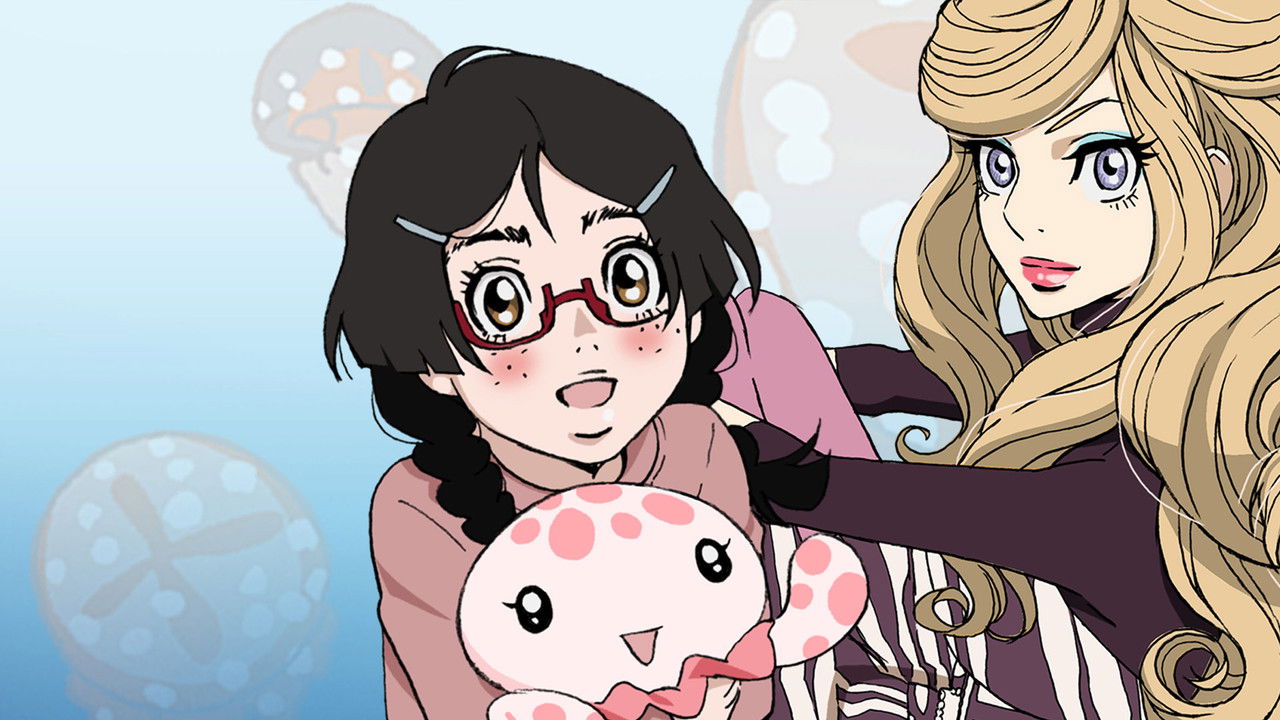
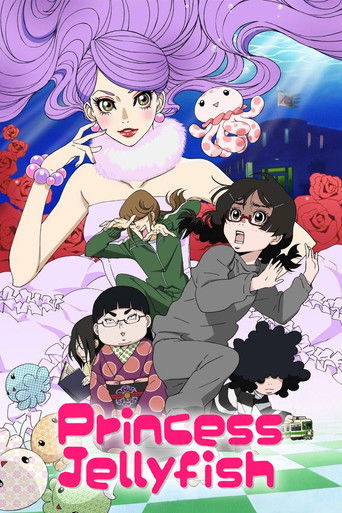
Amamizukan is an apartment complex where no boys are allowed. Tsukimi, a girl who adores jellyfish, lives there happily with her friends who all have nerdy obsessions of their own. Their peaceful lives gradually start to change when a beautiful woman helps Tsukimi out of a pinch. She stays overnight at the apartments—but it turns out "she" is really a "he".
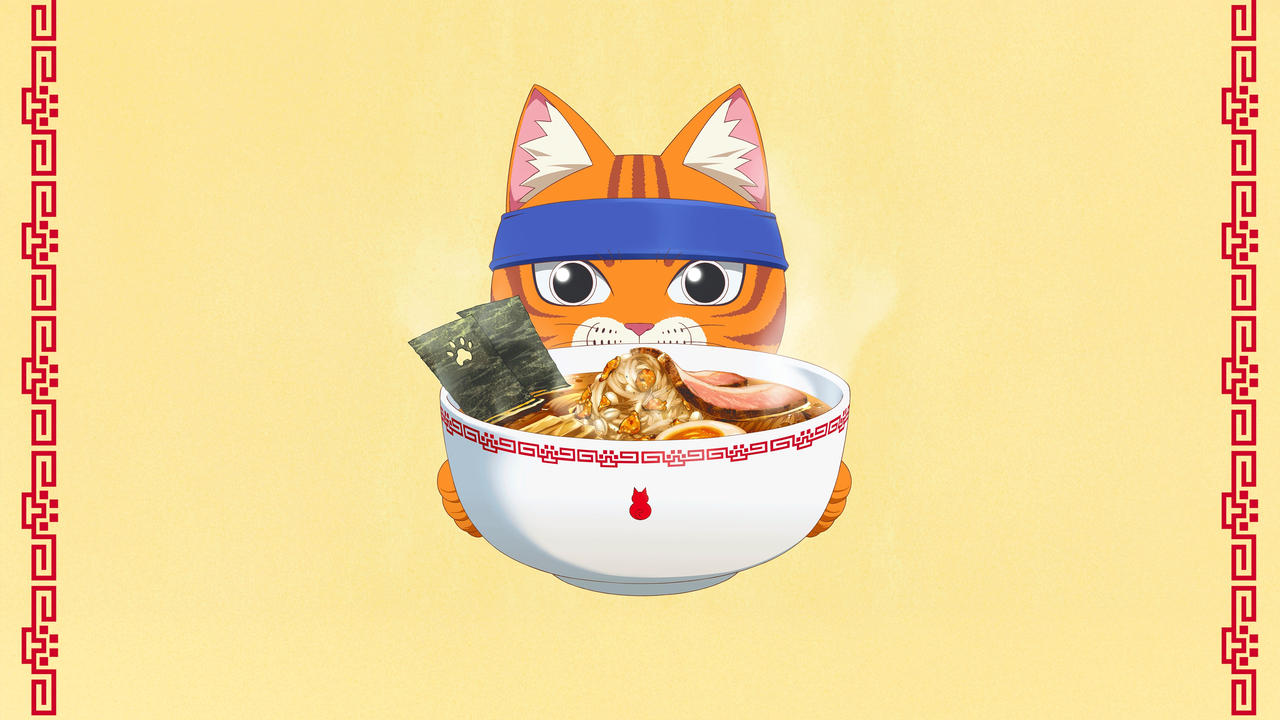
Tamako, a human, arrives at Ramen Akaneko, run solely by cats, for a part-time job interview. Her honesty about being a dog person gets her hired, and she becomes the caretaker of the cats at the restaurant. A story of both cat and human relationships, told through the interactions with both feline staff and customers. Enjoy your extra-large serving of heartwarming and endearing moments at Ramen Akaneko.
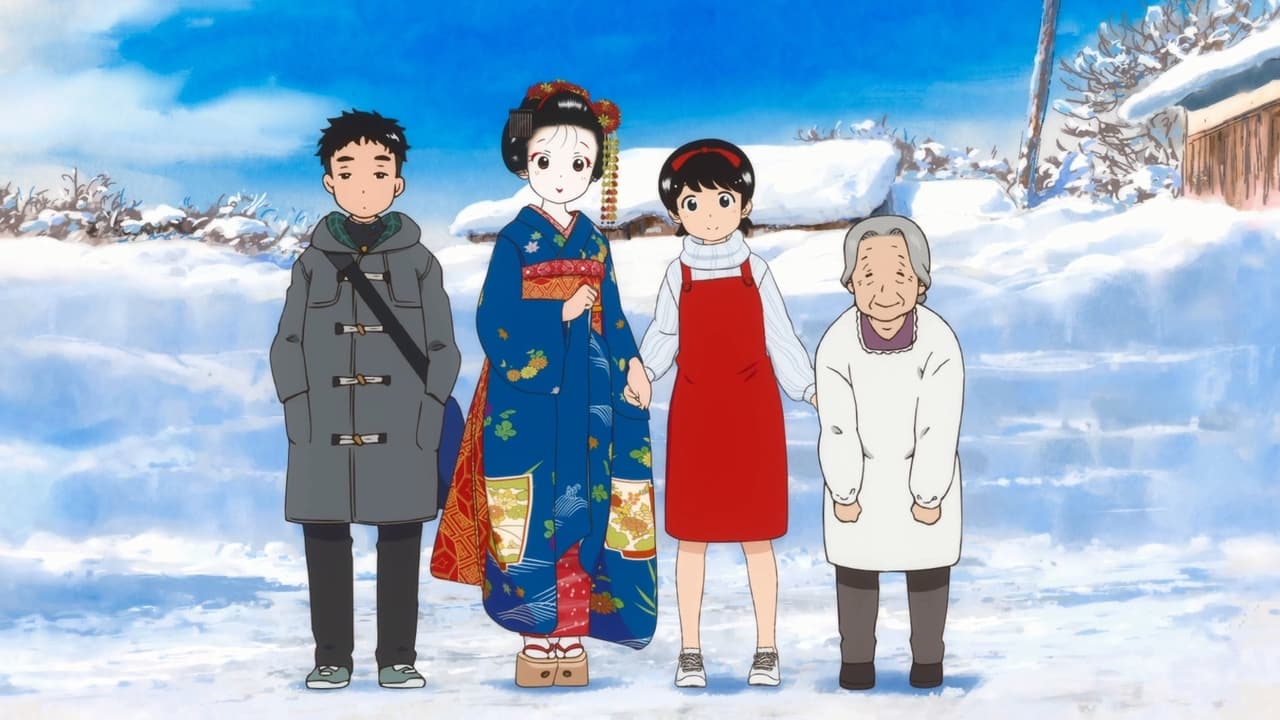
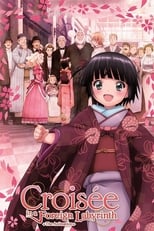
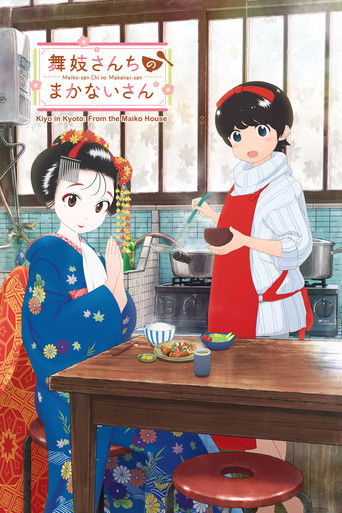
Kiyo and Sumire came to Kyoto from Aomori Prefecture, dreaming of becoming maiko. But after an unexpected turn of events, Kiyo starts working as the live-in cook at the Maiko House. Their story unfolds in Kagai, the Geiko and maiko district in Kyoto, alongside their housemate maikos. Kiyo nourishes them daily with her homecooked meals, and Sumire strives toward her promising future as the once-in-a-century maiko.
After two-month-old kitten Chibi-neko is abandoned by her former owners, she is found by 18-year-old Tokio. Although his mother is allergic to cats and has a great fear of them, she agrees to let him keep the kitten because she fears he is becoming too withdrawn after failing his university entrance exams. Chibi-neko soon falls in love with Tokio. In her own mind, Chibi-neko is a small human who speaks in human words, although people only ever seem to hear her meow, and she believes that all humans were once kittens like her. A stray cat tells Chibi-neko of a paradise called Cottonland, where dreams can come true.
If you enjoy the website, please consider sharing it with your friends. Thank you!
Anikoto: slice-of-life and everyday anime, and where to watch them
From Azumanga Daioh, Strawberry Marshmallow and Asobi Asobase to Oishinbo, Wakakozake and Ramen Akaneko, from The Star of Cottonland and Nights with a Cat to Hataraki Man, Princess Jellyfish and Kiyo in Kyoto, and from Pop Team Epic to Anne of Green Gables. Pick a title and press Watch now.
Anikoto: slice-of-life and everyday anime, from Azumanga Daioh, Strawberry Marshmallow and BLEND-S to Oishinbo, Ramen Akaneko, The Star of Cottonland, Princess Jellyfish and Anne of Green Gables
Koto means a thing, a matter or an event in Japanese, and Anikoto is a guide to anime about everyday things. It began as a busy anime site with a deep navy page, rounded slider panels, heavy uppercase titles, cyan PLAY NOW buttons and a sidebar of top-ranked shows. The new Anikoto keeps that bright, friendly design and fills it with the gentlest corner of Japanese animation: slice-of-life stories about school days, meals and drinks, cats and dogs, working life, family comedy and quiet pleasures, together with the classic adaptations of world literature that Japanese studios made for families.
Here you will find friends laughing through ordinary school days, office workers enjoying a drink after work, a ramen shop run by cats, a kitten who believes she will grow up to be a girl, a shy young woman who loves jellyfish, potters, bartenders, maiko cooks and farmers, gag comedies that turn the ordinary upside down, and heroines from Anne of Green Gables to Les Misérables. Every title has its own page with the story, the studio, the voice cast and, for series, every episode with its air date, plus a Watch now button that opens it on the official services in your country.
The guide gathers close to two hundred series and films, and each one was chosen by hand. This page explains how Anikoto is built, what each part of the design does and what waits on each shelf. It also suggests some viewing routes and points to the short guides that answer everyday questions about subtitles, devices, free viewing and saving titles for later.
The Anikoto design
The design is measured from the archived anikoto.tv, captured in November 2025: both its landing page, a rounded panel with the logo, a search box and a Go to Homepage button, and its home page, together with the large style sheet they shared. The theme stores its colours as named variables. The page is a deep navy, #101925, and panels are a slightly lighter #142030, with #20334D for raised elements and #3E526C for dividers. Secondary text is a soft blue-grey, #8097B2, and tabs use #A0B1C5.
The accent is a clear cyan, #26A3D6. It fills the PLAY NOW buttons, the My List button, the episode chips on the posters and the thin rule beside the first title in the Top anime list, and it lights up links when you point at them. Poster cards carry two small chips in the corner, a cyan one with the number of episodes and a darker #2A3F5C one with the number of seasons, just as the original showed subtitle, dub and total counts.
The original used Nunito, a rounded, friendly typeface, and Anikoto keeps it for every word, from the heavy uppercase slider titles to the small print in the footer. The logo image was only partly captured, so the wordmark is drawn fresh in the same spirit: an!koto in heavy white letters, with a cyan exclamation mark standing in for the i and a cyan play button inside the o. The favicon shows the same play button on navy.
The header, the slider and the grid
The header is a dark bar that stays at the top of the screen. On the left sit a menu icon and the wordmark, then a wide rounded search bar. On wide screens the site links follow: Home, School, Food, Cats and dogs, Browse and About. On the right sit a Random link, which opens the A to Z index, and a cyan My List button. On phones and tablets, the links and search fold into the menu.
The slider is the most striking part of the page. Five titles take turns: BLEND-S, Princess Jellyfish, Ramen Akaneko, Kiyo in Kyoto: From the Maiko House and The Star of Cottonland. Each sits in a navy panel with generous rounded corners. On the left, the title appears in heavy uppercase letters, followed by small outlined boxes for the type and HD, the release date, three lines of the story and a cyan PLAY NOW button, with round arrows to move between slides. On the right, the artwork fills the rest of the panel and fades gently into the navy on its left edge. Under the slider, a friendly line invites you to share the site, just as the original did.
Next comes the Recently Updated grid, with tabs for all titles, series, films and the top-rated shelf, and beside it the Top anime sidebar, a numbered list of the ten best-rated titles with the first one marked by a cyan rule. Below them sit three rounded lists: New Release, the newest titles in the guide; Newly Added, popular films; and Classics, from the World classics shelf. Themed rows for school days, food and drink, cats and dogs, working life, family life and comedy follow, then a grid of help cards, this article and a footer with an A to Z List bar of letter tiles.
What makes slice of life special
Slice-of-life anime is about the texture of ordinary days: the walk to school, the smell of a bakery, the first sip of a cold drink after a long shift, a cat asleep in a patch of sunlight. There are few villains and even fewer battles, and the drama, when it comes, is the drama of friendship, family, work and growing up. The slice-of-life guide gives a short introduction, and the All titles shelf holds every title on the site.
Japanese animation has a special talent for these stories. Short episodes, often adapted from four-panel comic strips, suit the rhythm of daily life, and many series are only a few minutes long, perfect for a coffee break. Others unfold slowly over a season, letting viewers settle into a place and its people. The calmest are sometimes called iyashikei, healing anime, because they leave viewers feeling rested and content.
Slice of life is also one of the most varied genres. It includes sharp comedies and gentle romances, stories of work and craft, food series that make you hungry, animal shows that make you smile and nostalgic portraits of family life in other decades. Anikoto's shelves follow those threads, so you can pick the kind of everyday story that suits your mood.
School days
The school is the classic stage for slice-of-life anime, and the School days shelf gathers more than fifty titles, with the school days guide as an introduction.
Azumanga Daioh set the pattern for modern school comedies, following a group of classmates, their eccentric teachers and a child prodigy through high school, and the guide holds its two short films, Azumanga Daioh: The Very Short Movie and Azumanga Web Daioh. Strawberry Marshmallow follows a group of young girls and one lazy older sister through a series of small adventures, Minami-ke follows three sisters who live together, and Hyakko follows four very different friends at a huge private school.
Clubs are a rich source of comedy. Chronicles of the Going Home Club follows girls whose club exists purely to have fun, Tesagure! Bukatsumono follows a club that discusses other clubs, and Meganebu! follows a club devoted entirely to glasses. Asobi Asobase - workshop of fun - starts with three girls playing a simple game at break time and spirals into gloriously ridiculous comedy, and Three Leaves, Three Colors follows a former rich girl, a secretly sharp-tongued angel and a hungry friend.
Few things are more everyday than a meal, and Japanese anime celebrates food with a passion. The Food and drink shelf gathers close to twenty titles, and the food guide suggests where to start.
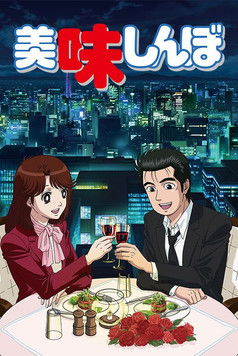
Oishinbo is the great classic. A newspaper plans to publish the Ultimate Menu to celebrate its hundredth anniversary, and a lazy but brilliant young journalist with an extraordinary palate is put in charge, clashing with his father, a famous gourmet. Across more than a hundred episodes, the series explores every corner of Japanese cooking.
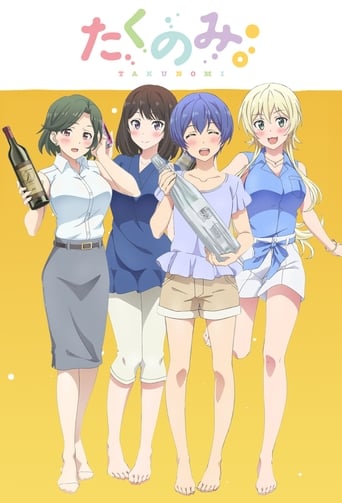
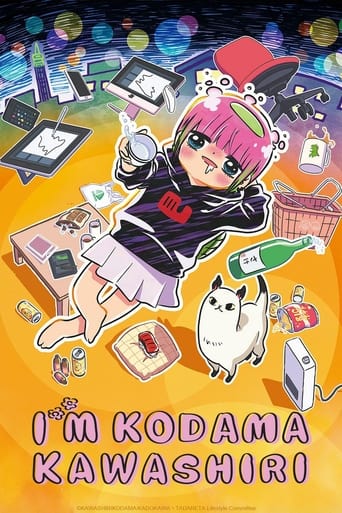
Several series celebrate the simple pleasure of eating and drinking after a long day. Wakakozake follows a young office worker who treats herself to a good meal and a drink, sighing with contentment at every bite. Takunomi follows a young woman who moves into a shared house in Tokyo and discovers the joys of drinking at home, and I'm Kodama Kawashiri follows a woman who loves greasy food and cold beer. Gourmet Girl Graffiti follows a high school girl who lives alone after her grandmother's death and rediscovers the joy of cooking for someone else, and JK-Meshi! follows three schoolgirls who master simple home cooking.
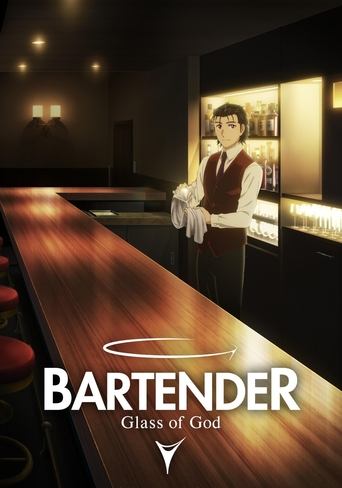
Restaurants and cafés have their own stories. Ramen Akaneko is a ramen shop run entirely by cats, where a human applies for a part-time job. Neko Rahmen follows another cat running a tiny ramen shop, Piacevole! My Italian Cooking follows a high school student working at an Italian trattoria, BARTENDER Glass of God follows a bartender who finds the right drink for every guest and Snack Basue follows a small bar in Sapporo. True Cooking Master Boy continues a famous tale of a young chef in nineteenth-century China, Fermat Kitchen pairs a mathematician with a young chef, and Komada – A Whisky Family follows a family distillery.
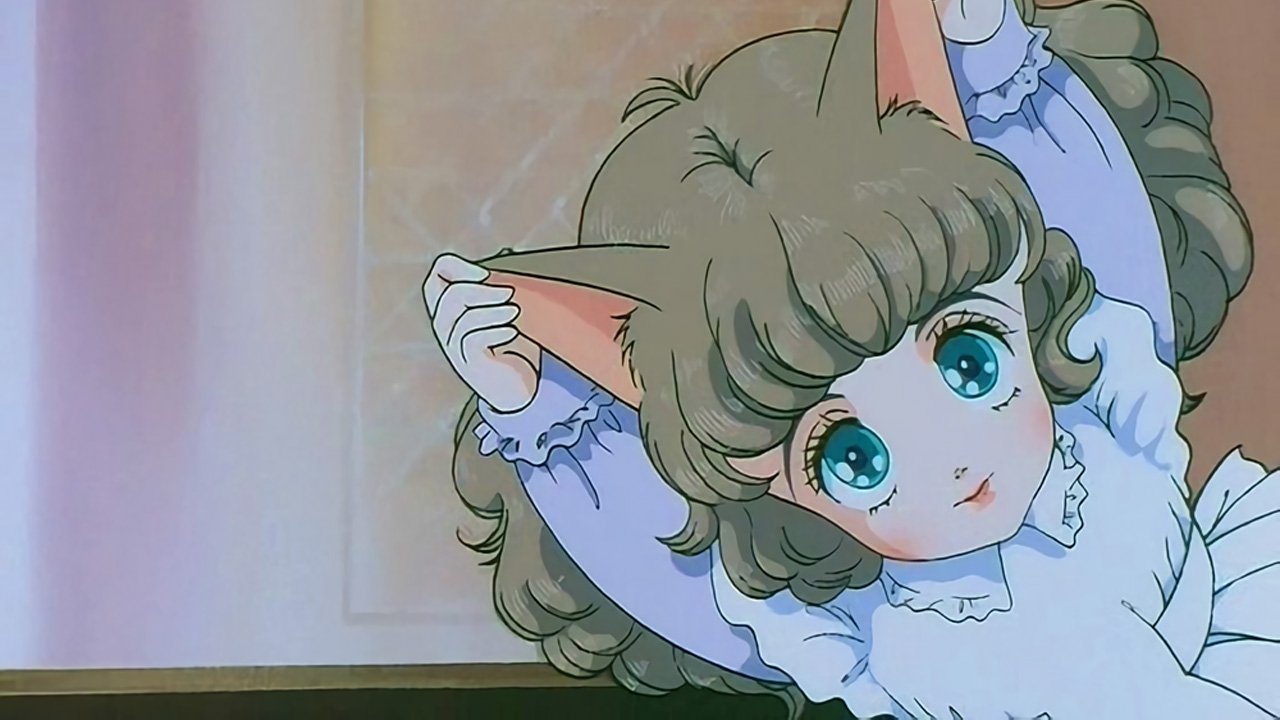
The Star of Cottonland, a 1984 film based on Yumiko Oshima's manga, follows Chibi-neko, an abandoned kitten who is adopted by a young man and believes that one day she will grow up to be a human girl. Drawn as a little girl with cat ears, she explores the world with wonder, and the film is a touching classic. She and Her Cat, the first short film by Makoto Shinkai, tells the life of a cat and his owner entirely from the cat's point of view. What's Michael? follows a famously expressive cat, Oruorane the Cat Player follows a lonely cellist who meets a magical cat, and Komaneko's Christmas: The Lost Present is a stop-motion short about a curious kitten.
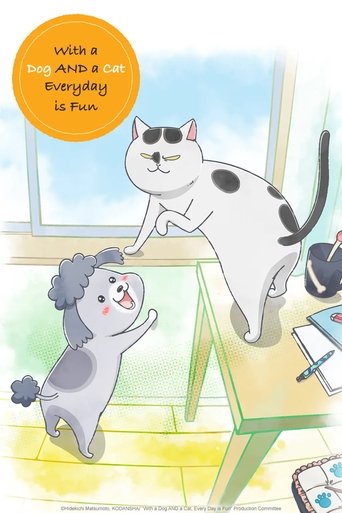
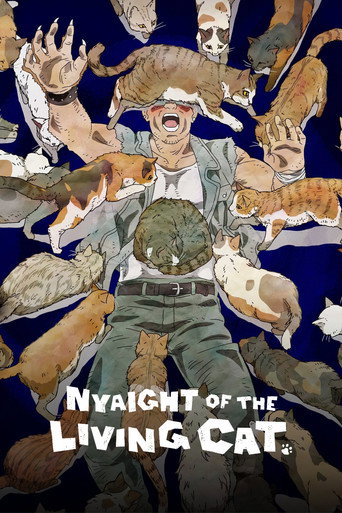
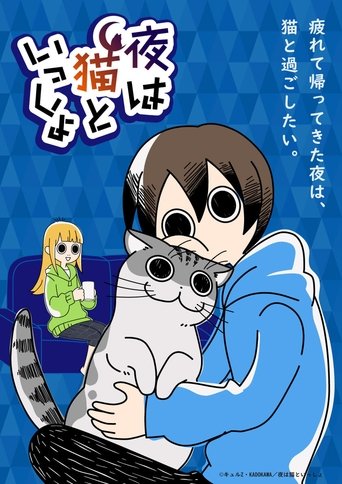
Short series about pets are among the most relaxing titles here. Nights with a Cat follows a tired office worker and his playful cat through their evenings, With a Dog AND a Cat, Every Day Is Fun shows a manga artist living with a sweet dog and a mischievous cat, and I, Tsushima follows an older woman whose cats are all convinced she is a man. Working Buddies! follows two cats who work in an office, African Office Worker follows a lion, a toucan and a lizard in a Japanese company, and Nyaight of the Living Cat imagines a world where a virus turns people into cats.
Grown-up life has its own slice-of-life stories, and the Working life shelf gathers more than thirty of them, with the working life guide as an introduction.
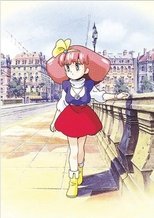
Hataraki Man follows Hiroko Matsukata, a twenty-eight-year-old magazine editor who flips into a tireless working mode when a deadline approaches, and it remains one of the best anime about work. Kiyo in Kyoto: From the Maiko House follows two girls from Aomori who come to Kyoto to become maiko; one succeeds, and the other finds her calling cooking for the house. Princess Jellyfish follows Tsukimi, a shy young woman who adores jellyfish and lives in a boarding house full of devoted fans of trains, dolls and history, until a stylish stranger turns their lives around.
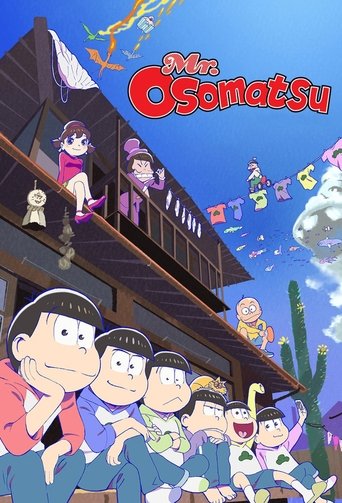
Several comedies find humour in grown-up life. Mr. Osomatsu follows six identical brothers in their twenties who would rather do anything than get a job, Tojima Wants to Be a Kamen Rider follows a forty-year-old who still dreams of becoming a masked hero, and Detectives These Days Are Crazy! follows a once-legendary detective baffled by smartphones. How I Attended an All-Guy's Mixer and At That Time, She. follow romances among young adults, and Michiko & Hatchin, a road movie across a sunny South American country, follows a fearless woman and the girl she rescues from an unhappy home.
Family life
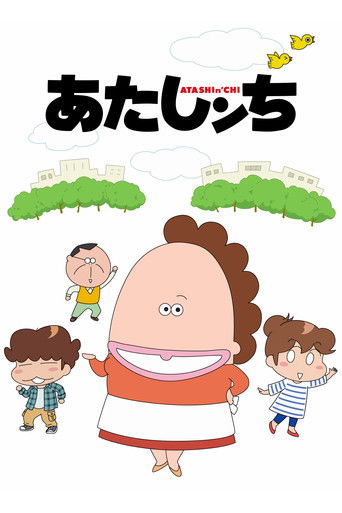
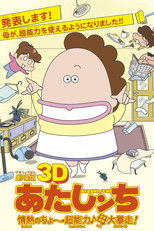
Family comedies are a beloved part of Japanese television, and the Family life shelf gathers close to thirty of them. Atashin'chi follows the Tachibana family, an ordinary household whose mother is a force of nature, through hundreds of short, funny episodes, and Atashin'chi: The 3D Movie gives her telekinetic powers for one wild day. Nono-chan follows the eldest daughter of the Yamada family, Danchi Tomoo follows a boy in a housing estate, and Showa Monogatari follows a family in the Tokyo of 1964.
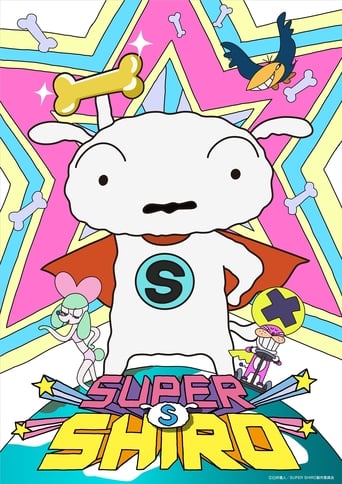
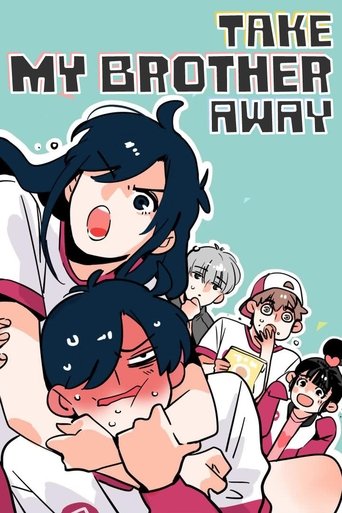
Siblings make for great comedy. Please Take My Brother Away follows a Chinese high school girl and her teasing older brother, Mama is a 4th Grader follows a nine-year-old who becomes the guardian of a baby from the future, and Recorder and Randsell follows two siblings who look far older and younger than their age. Style of Hiroshi Nohara's Lunch follows the salaryman father of the Crayon Shin-chan family through his lunch breaks, and Super Shiro turns the family dog into a superhero for younger viewers.
World classics
From the 1970s to the 2000s, Japanese studios made beautiful adaptations of classic children's literature from around the world, and the World classics shelf gathers fifteen of them. Anne of Green Gables: Road to Green Gables, directed by Isao Takahata, gathers the first episodes of the famous series about the red-haired orphan who comes to live on Prince Edward Island. Emily of New Moon adapts another novel by Lucy Maud Montgomery, and Charlotte In The Young Grass follows a girl in Canada.
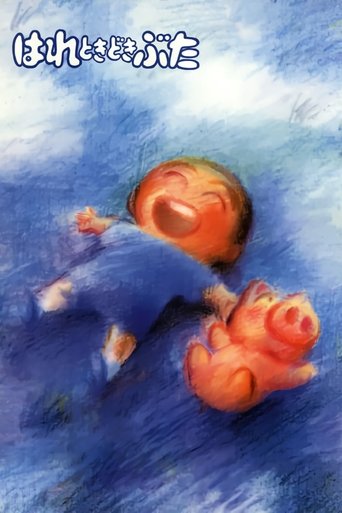
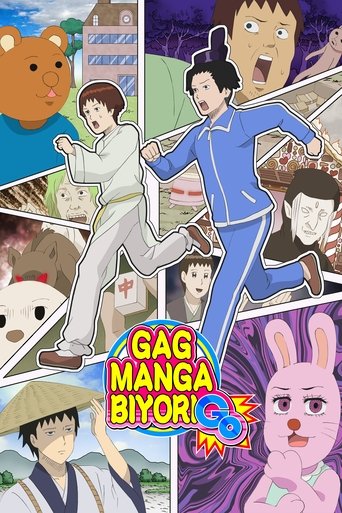
Some everyday anime turns the ordinary gloriously upside down. The Comedy and gags shelf gathers more than thirty titles. Pop Team Epic is a wildly surreal sketch show about two schoolgirls, Popuko and Pipimi, packed with parodies and unexpected formats. gdgd Fairies follows three fairies chatting in a simple 3D forest, Gag Manga Biyori fires off absurd sketches at high speed, and Haré+Guu follows a boy in the jungle whose life is turned upside down by a mysterious girl who can swallow anything.
Many of the series on Anikoto began life as yonkoma, four-panel comic strips that appear in magazines and on websites. Each strip is a tiny story with a setup, a development, a twist and a punchline, and the format suits everyday comedy perfectly. When yonkoma are adapted for television, the episodes often keep that rhythm, moving quickly from one small scene to the next rather than following a single long plot.
Azumanga Daioh was one of the first great yonkoma adaptations, and its success inspired a whole generation of school comedies. Series such as Hyakko, Chitose Get You!!, Strawberry Marshmallow and the short Nyoron! Churuya-san all grew from the same tradition. The format also explains why so many titles here are short: some episodes last only a few minutes, making them ideal to watch on a phone during a commute or a lunch break.
If you enjoy the rhythm of these series, look for the manga they came from. Many have been translated, and reading a few strips after an episode is a lovely way to spend a quiet evening.
Healing anime
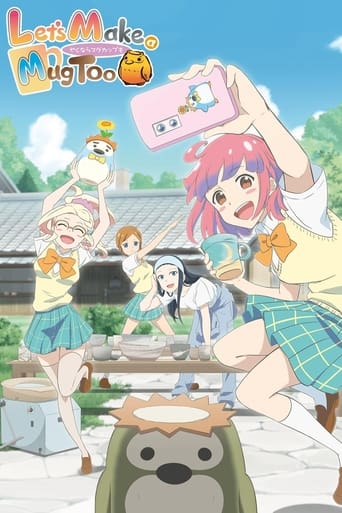
Iyashikei, often translated as healing, describes anime designed to soothe. These series have gentle music, soft colours and calm stories, and they often take place in the countryside or by the sea. On Anikoto, the Tamayura films and series, set in a seaside town in Hiroshima, are perfect examples: a girl who loves photography rediscovers her late father's town through the lens of his old camera. Let's Make a Mug Too offers the calm of a potter's wheel, Natsuiro Kiseki the long days of summer, and Non Non Biyori the slow pace of a tiny rural school.
Healing anime is best watched at a relaxed pace, perhaps with a cup of tea, and many viewers turn to it after a long day or a stressful week. The slice-of-life guide suggests a few more calm titles to try.
Everyday life through the decades
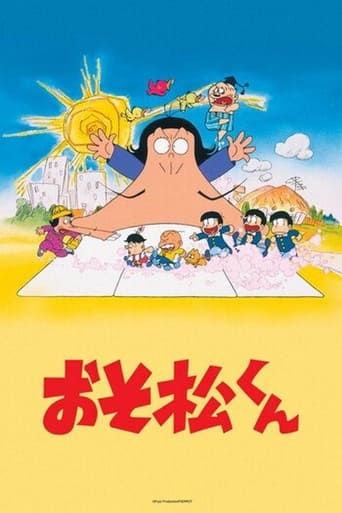
The titles on Anikoto span half a century, and together they show how everyday life on screen has changed. The Before 1995 shelf reaches back to the world classics of Nippon Animation, the magical-girl comedies of the 1970s and 1980s and the great gag series such as Osomatsu-kun and Kinnikuman, when television animation was made for the whole family to watch together at dinner time.
The 1995 to 2012 shelf covers the rise of the modern slice-of-life genre, from Azumanga Daioh and Strawberry Marshmallow to Hataraki Man, Princess Jellyfish and the long-running Atashin'chi. These were the years when late-night anime for adults grew into a major part of Japanese television, and when series about work, hobbies and quiet lives found devoted audiences.
The 2013 onward shelf brings the story up to date with food series such as Wakakozake and Ramen Akaneko, craft stories such as Let's Make a Mug Too, comedies such as Asobi Asobase and Pop Team Epic, and the many short series about cats and dogs that fill today's schedules. Finally, Top rated lists the titles with the highest audience scores.
One of the pleasures of slice-of-life anime is how closely it portrays real places. Many series are set in towns you can visit, and fans often travel to see the streets, stations and shops they know from the screen.
The Tamayura series is set in Takehara, a small seaside town in Hiroshima Prefecture with a beautifully preserved old quarter, and its gentle light and slopes are drawn with great care. Let's Make a Mug Too takes place in Tajimi, a pottery town in Gifu Prefecture famous for its Mino ware, and the series was made with the help of local potters. Kiyo in Kyoto opens a window onto the world of the maiko in the historic Gion district, with its wooden townhouses and seasonal dishes.
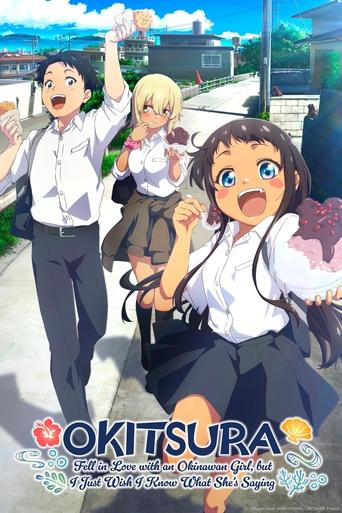
The north and the far south appear too. Hokkaido Gals Are Super Adorable! is set in the snowy city of Kitami, Snack Basue in a quiet corner of Sapporo and Hyakusho Kizoku on a dairy farm in the Hokkaido countryside. OKITSURA takes place in Okinawa, where the dialect and the relaxed island pace are part of the comedy. Non Non Biyori's trip to Okinawa shows the islands through the eyes of children from a tiny mountain village.
Big cities have their own everyday stories. Tokyo is the backdrop of Hataraki Man's busy publishing house, Princess Jellyfish's crowded boarding house and the evening meals of Wakakozake and Takunomi. Showa Monogatari recreates the Tokyo of the 1964 Olympics, when the city was changing fast. Watching these series one after another is a little like travelling across Japan from season to season.
Seasons and festivals
Japanese everyday life is closely tied to the seasons, and slice-of-life anime follows them lovingly. Spring brings cherry blossoms and the first day of school, as in the opening scenes of countless school comedies. Summer brings fireworks, festivals, trips to the sea and long lazy afternoons, the heart of Natsuiro Kiseki and many Tamayura episodes. Autumn brings school festivals and the rich food of the harvest, and winter brings snow, New Year visits to shrines and cosy evenings at home.
Many series mark these moments with special episodes: a summer festival in yukata, a Christmas party, a New Year's Day spent eating traditional dishes. For viewers outside Japan, these episodes are a charming introduction to the rhythm of the Japanese year, and they often make the perfect match for the season in which you watch them.
The makers of everyday anime
Several great artists and studios shaped the everyday stories on Anikoto. Nippon Animation, the studio behind the World Masterpiece Theater, made the classic adaptations of world literature for Sunday evening television from the 1970s onward, and some of Japan's most admired directors worked on them. Isao Takahata, who later co-founded Studio Ghibli, directed Anne of Green Gables, bringing a new realism and emotional depth to animated storytelling for families.
Makoto Shinkai, now famous for his feature films, began with She and Her Cat, a short black-and-white film he made largely on his own in 1999, and its quiet, lyrical style already points to his later work. Yumiko Oshima's manga inspired The Star of Cottonland, and the film carried her delicate, dreamy drawings to the screen.
In television, Shin-Ei Animation made the long-running Atashin'chi, and the studios behind the late-night comedies of the 2000s and 2010s, such as those that adapted Strawberry Marshmallow, Minami-ke and Hyakko, helped define the modern slice-of-life look, with soft colours and expressive, rounded character designs. Each title page on Anikoto lists the studios behind it, so you can follow a favourite team from one series to the next.
Hobbies and pastimes
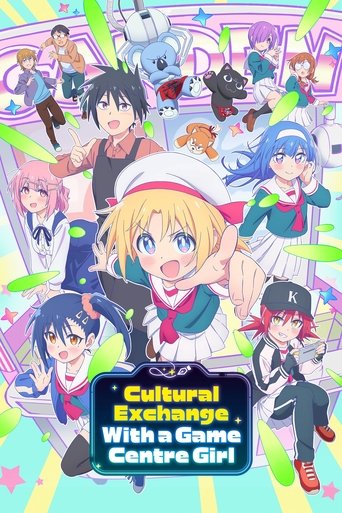
Hobbies are a major theme in everyday anime, and many series will make you want to try something new. Tamayura celebrates photography, Let's Make a Mug Too pottery, BARTENDER the art of mixing a perfect drink and Komada the craft of whisky. Cultural Exchange with a Game Centre Girl celebrates arcade games, VTuber Legend the world of online streaming, Magic of Stella the making of an independent video game and Mangirl! the making of a manga magazine. Even Meganebu! finds endless fascination in a pair of glasses. These series share a joy in doing something carefully and well, and they often end with the characters, and the viewers, feeling a little more capable and a little more curious.
Short series for busy days
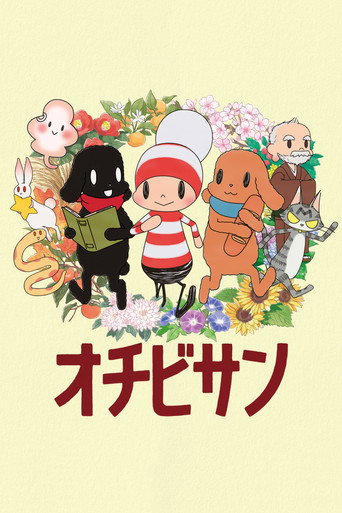
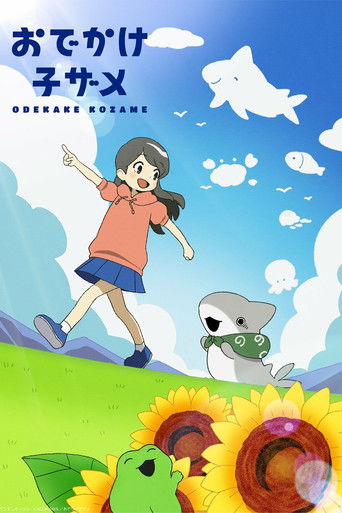
A large number of the series on Anikoto are short, some only three or four minutes an episode, and they are perfect for busy days. Nights with a Cat, Working Buddies!, YouTuNya, Odekake Kozame and The Diary of Ochibi each deliver a small smile in the time it takes to drink a cup of coffee. Gag Manga Biyori and Pop Team Epic pack more jokes into five minutes than many comedies manage in half an hour, and the cat and dog series can be watched in any order.
Short series also make a good introduction to the genre. If you are curious about slice of life but unsure where to start, try three or four short episodes of different series in one sitting and see which mood suits you best. The Recently Updated grid on the home page makes it easy to sample a few at once.
What to watch next
If you enjoyed a well-known slice-of-life series elsewhere, Anikoto can suggest a next step. Fans of classic school comedies will find kindred spirits in Azumanga Daioh, Strawberry Marshmallow, Minami-ke and Hyakko. Fans of food series will love Wakakozake, Takunomi and Ramen Akaneko. Fans of gentle countryside stories will feel at home in Tamayura, Non Non Biyori and Let's Make a Mug Too.
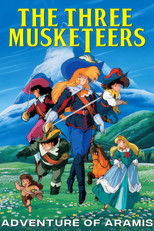
If you like stories about adults finding their place, try Hataraki Man, Princess Jellyfish or Kiyo in Kyoto. If you prefer absurd comedy, go straight to Asobi Asobase, Pop Team Epic and Gag Manga Biyori. If you enjoy period dramas, the World classics shelf offers beautifully made stories set in Canada, Australia, England, France and Greece. And if you simply love cats, the Cats, dogs and friends shelf has enough feline company for many evenings.
Watching together
Everyday anime is wonderful to share. The family comedies and world classics were made for the whole household, and many of them still work beautifully for a family evening. School comedies are fun to watch with friends, each person picking a favourite character. Food series are best followed by cooking something together, and a cat series is the ideal companion for a lazy afternoon on the sofa, ideally with a real cat nearby.
Each official service shows its own age rating after you press Watch now, and many offer children's profiles with age limits. For younger children, the World classics, Family life and Cats, dogs and friends shelves are the best places to start.
For families, the long-running comedies are a special treat. Atashin'chi, Nono-chan and Danchi Tomoo were made to be watched week after week at dinner time, and their short, self-contained stories suit children and grandparents alike. The magical-girl comedies of the 1980s and 1990s, such as Miracle Girls and Super Doll Licca-chan, add a touch of sparkle for younger viewers, while the World classics offer longer stories with memorable heroines that can be followed over many evenings. Choosing one series to watch together each week is a simple way to build a small family tradition, and My List makes it easy to keep track of where you are.
Whatever your household, a few short episodes shared at the end of the day can become a small, happy ritual.
A window onto other times
Some of the most moving titles on Anikoto are windows onto the past. Showa Monogatari recreates the Tokyo of the 1960s, with its new television sets, busy shopping streets and families preparing for the Olympic Games. The Star of Cottonland captures the soft, dreamy style of 1980s girls' manga. The World classics shelf shows how Japanese studios imagined nineteenth-century Canada, Australia and Europe for young viewers in the 1970s and 1980s, and the gag series of the same years, such as Osomatsu-kun and Kaibutsu-kun, show the wild energy of family television at dinner time.
For viewers who grew up with these series, they bring back memories of childhood. For viewers discovering them now, they are a delightful way to see how everyday life, and animation itself, has changed. Many of the older titles have been restored for modern screens, and their hand-painted backgrounds and warm colours look lovely on a big television.
Tips for enjoying everyday anime
Everyday anime rewards a relaxed approach. There is little need to binge a whole season in one evening; many viewers enjoy one or two episodes a night, letting the series become part of their routine. Keep a favourite calm series for difficult days, and a lively comedy for when you need a laugh.
Look out for the small details that make these series special: the food drawn with loving care, the sound of cicadas in summer, the way a cat stretches in the sun. Many series include short scenes after the credits, so it is worth waiting until the very end. And when you find a series you love, add it to My List and look at the shelf it belongs to, where similar titles wait to be discovered.
Finally, remember that everyday anime is about noticing the good things in ordinary life. After an episode of Wakakozake, a simple meal can feel like a treat; after an episode of Let's Make a Mug Too, a handmade cup can feel like a small work of art. That is the gentle magic of the genre, and the reason so many viewers keep coming back to it.
Everyday anime also travels well across cultures. The worries of a first job, the fun of a club with friends, the comfort of a favourite meal and the companionship of a pet are familiar everywhere, and viewers around the world recognise themselves in these stories even when the setting is a small Japanese town. At the same time, the series offer countless small glimpses of Japanese life, from school lunches and bento boxes to shrine visits, public baths, convenience stores and summer festivals, so that watching them is both familiar and a little like travelling. Many fans say that slice-of-life anime first made them want to visit Japan, learn the language or simply slow down and enjoy their own everyday lives a little more.
Characters you will love
Everyday anime lives or dies by its characters, and the series on Anikoto are full of memorable ones. There are the energetic best friends who drag everyone into their schemes, like the girls of Asobi Asobase and Hyakko. There are the calm, observant heroines who notice the beauty in small things, like Fu in Tamayura or the young potter of Let's Make a Mug Too. There are the hard-working adults, like Hiroko of Hataraki Man, and the lovable slackers, like the six brothers of Mr. Osomatsu.
Animals are characters too, often the most expressive of all. The kitten of The Star of Cottonland sees the world with wide-eyed wonder, the cats of Ramen Akaneko run their shop with serious professional pride, and Gudetama the egg manages to be lazy and charming at the same time. Even the mascots of the family series have distinct personalities that children remember for years.
Part of the pleasure of slice of life is spending time with these characters at an easy pace, free of a grand plot. You get to know their habits, their favourite foods and their little quirks, and by the end of a season they can feel like old friends. That sense of companionship is why many viewers return to their favourite everyday series again and again, long after they know every episode by heart.
The sound of everyday life
Sound plays a special role in everyday anime. Opening and ending songs are often bright, catchy pop tunes that fans sing along to, and the background music tends to be gentle, with acoustic guitars, pianos and soft strings. Many series take care with everyday sounds too: the sizzle of a frying pan, the clink of a glass, rain on a window, the chatter of a classroom at break time. Watching with headphones or good speakers brings out these details and makes the calm series even more relaxing.
Voice acting matters just as much. Many series here feature well-known voice actors in warm, natural performances, and the cast list on each title page makes it easy to follow a favourite voice from one series to another. For viewers learning Japanese, the everyday conversations in slice-of-life anime are a friendly way to hear the language as it is spoken at home, at school and at work.
Where to begin tonight
If you have only one evening, start with a short film and a first episode. The Star of Cottonland makes a perfect film for a quiet night, and She and Her Cat can be watched in five minutes before it. Then try the first episode of a series from a shelf that matches your mood: Asobi Asobase for laughter, Wakakozake for comfort, Kiyo in Kyoto for warmth or Anne of Green Gables for a classic story. If one of them clicks, add it to My List and let it become part of your week.
If you have a whole weekend, pick a shelf and follow it from end to end. The School days shelf alone holds enough friendly comedies for many afternoons, and the Food and drink shelf pairs beautifully with cooking your own meals between episodes. Whatever you choose, Anikoto is here to make the choosing easy and the watching a pleasure.
Watching a title, step by step
Anikoto is a guide, and every title page leads to the official services that carry it. The how to watch guide walks through the steps. Choose a title from the slider, the grid, the sidebar, the lists or the search. Read its page, which shows the story, the studio, the voice cast and, for series, every episode with its air date. Then choose your country and press Watch now, and JustWatch lists every official service that carries it.
The finding a title guide explains how search handles English titles, Japanese titles and episode numbers. The subtitles and dubs guide explains how to choose between Japanese audio with subtitles and a dubbed track. The free anime guide explains how to find titles that stream at zero cost with adverts, and the where Anikoto titles stream guide gives a short overview of the official services.
The apps and devices guide covers phones, tablets, computers and televisions, which suits the many short series here. The streaming safely guide is a short checklist for accounts and passwords. The official site guide shows how to recognise Anikoto, and the site status guide lists quick fixes when a page looks odd. The My List guide explains how to save titles, tick off episodes and move your list between devices.
Everyday routes
Here are a few routes through the everyday, each built from titles on Anikoto.
Anikoto is built for anyone who loves the small pleasures of anime: a good laugh with friends, a delicious meal, a sleepy cat, a satisfying day's work or a classic story told with care. Every title has been chosen by hand, every page leads to official services and every shelf is designed to make the next choice a little easier. Start with the slider, follow a shelf that matches your mood and enjoy the everyday.
Questions
What is Anikoto?
Anikoto is a guide to slice-of-life and everyday anime, with a Watch now button on every title page that opens it on the official services in your country.
What does koto mean?
Koto means a thing, a matter or an event in Japanese, and the guide gathers anime about everyday things.
How do I watch a title?
Open the title page, choose your country and press Watch now. JustWatch opens with the official services that carry it where you live.
What is slice of life?
Slice-of-life anime follows ordinary days, such as school, work, meals and hobbies, with gentle humour and warmth.
Which titles suit younger viewers?
The Family life and World classics shelves suit younger viewers, with titles such as Anne of Green Gables, Atashin'chi and Super Shiro.
Are the series subtitled or dubbed?
Most titles have English subtitles on official services, and many family titles have dubs. Each service lists its own tracks.
How do I keep track of a long series?
Add the series to My List and tick the episodes you have watched. Your place is kept in your browser.
Where do the scores and details come from?
Scores, episode lists, cast and studio details come from TMDB, and the Watch now button uses JustWatch to list official services.